The Future of Living: How Smart Homes Are Changing Everyday Life

Smart homes aren’t just a trend, they are rapidly becoming the standard for modern living. With the rise of connected devices and advances in technology, home automation in 2026 is set to transform the way we live, work, and interact with our spaces.
From remotely controlling lights, curtains, and appliances to fully integrated AI systems, smart homes are redefining comfort, security, and efficiency. In Singapore, where space is limited and electricity costs are significant, these future smart home trends offer real solutions for making life simpler, safer, and more energy-efficient.
Whether you are considering upgrading your BTO, HDB, condo, or landed property, understanding the upcoming trends in home automation 2026 will help you plan a smart home setup that is future-proof, convenient, and tailored to your lifestyle.
1. How Smart Homes Are Impacting Daily Life
Morning Made Simple
One of the most practical applications of a smart home is improving your daily routines. Imagine waking up to lights that gradually brighten, curtains that open automatically, and your coffee machine starting as your alarm goes off.
This isn’t science fiction, it’s what home automation 2025 is all about. By automating even small tasks, smart homes help you save time, reduce stress, and improve well-being. Singapore homeowners, especially in high-density apartments or HDBs, benefit from automation that fits seamlessly into limited living spaces.
Enhanced Security
Security is another key benefit. Modern smart homes come equipped with smart cameras, motion sensors, and automated door locks. These devices allow homeowners to monitor their property remotely and receive alerts for unusual activity.
For Singapore residents, especially those living in landed property with multiple entry points, this translates into peace of mind. You can check on your home during work hours, see who’s at the door before opening it, and even integrate smart locks with delivery solutions for secure parcel drop-offs.
Energy Efficiency
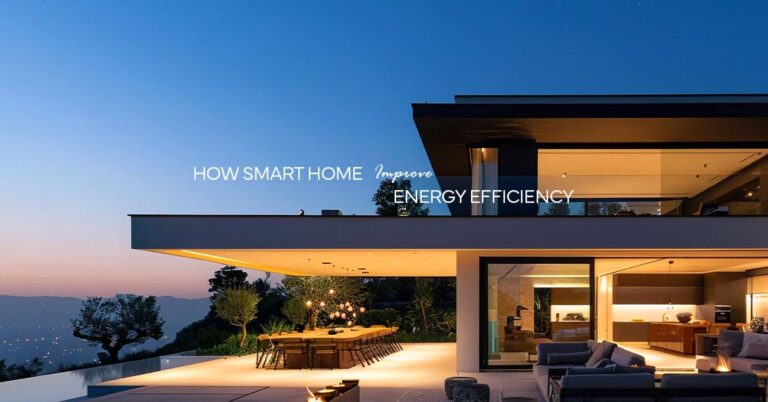
Energy efficiency is at the heart of future smart home trends. Devices like smart switches, dimmable lighting, and automated air-conditioning systems reduce electricity usage while maintaining comfort.
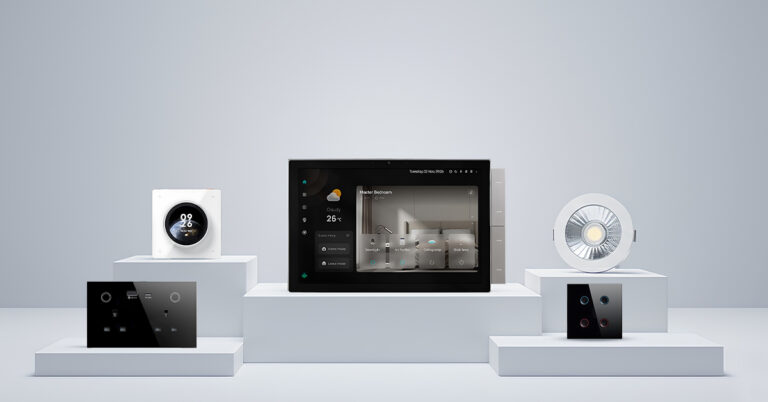
Smart switches allow you to schedule lighting and appliances, ensuring nothing is left on unnecessarily. Combined with energy monitoring, homeowners can track electricity consumption in real time, identify high-usage areas, and make adjustments to save on bills. In Singapore, where air-conditioning accounts for a large portion of household electricity, these automated solutions can result in substantial savings over time.
2. Future Smart Home Trends in 2026
AI-Driven Automation
Artificial intelligence is becoming the backbone of the modern smart home. AI-driven automation can learn your habits, anticipate your needs, and adjust your home environment accordingly.
For example, AI can:
- Adjust lighting based on your preferred brightness at different times of the day
- Control curtains to maximize natural light while minimizing heat gain
- Optimize air-conditioning schedules based on occupancy and weather forecasts
These AI-driven systems reduce the need for manual adjustments, making your home intuitive, responsive, and energy-efficient.
Integrated Wellness Technology
Health and wellness are becoming a key focus in smart home design. Future smart homes will integrate:
- Air quality sensors to detect pollutants and trigger ventilation
- Circadian lighting that mimics natural sunlight to support healthy sleep patterns
- Smart temperature and humidity control to maintain optimal comfort
In Singapore’s urban environment, where air pollution and humidity levels can vary, these wellness-focused systems are particularly relevant. They not only improve quality of life but also contribute to a healthier, more comfortable home environment.
Voice-First Control
Voice assistants are moving beyond simple commands like “turn on the lights.” In home automation 2026, they will manage multiple tasks simultaneously, acting as the central interface for your entire smart home.
For example, you could say:
“Good morning, start my coffee, open the curtains, and set the lights to warm white.”
This kind of integration reduces the need for multiple apps or remote controls and is especially convenient for Singaporean homes with compact living spaces, where a single control interface can manage the entire property.
3. Smart Homes and Sustainability
A key aspect of future smart home trends is sustainability. Eco-conscious homeowners are increasingly seeking energy-saving devices, from smart lighting to automated curtain systems that reduce heat gain.
By optimizing energy usage, smart homes contribute to:
- Lower electricity bills
- Reduced carbon footprint
- Sustainable living in urban environments
Singapore is leading the way in promoting energy-efficient housing, and smart home technology aligns perfectly with national sustainability goals. Homeowners can enjoy modern conveniences while actively reducing their environmental impact.
4. Real-Life Examples
- Morning Routine Automation: a homeowner uses smart lighting and curtains connected to a central control panel. Every morning, lights gradually brighten, curtains open, creating a smooth and stress-free start to the day.
- Energy-Saving Scenario: Smart switches and motion-sensor lighting in common areas automatically turn off lights when no one is present. Over a year, this reduces electricity usage and saves hundreds of dollars.
- Security Integration: A condo owner uses smart cameras, sensors, and door locks. Alerts notify them of any movement near doors or windows, allowing for remote monitoring and intervention if necessary.
5. Preparing Your Home for Automation in 2026
If you’re planning to future-proof your home:
- Start with smart switches and dimmable lighting
- Add curtain automation for privacy and energy efficiency
- Consider a centralized smart control panel for managing multiple devices
- Explore voice-first integration with Google Home, Alexa, or Siri
- Incorporate AI-driven automation to learn and optimize your daily routines
Even small upgrades can make a significant difference in convenience, energy savings, and home comfort.
6. Conclusion
The future of living is smart, connected, and efficient. With the rise of home automation in 2026, Singapore homeowners can enjoy:
- Automated routines that save time and effort
- Integrated security and wellness features
- Energy-efficient devices that lower costs and environmental impact
By adopting the latest future smart home trends, your home can become a comfortable, secure, and energy-conscious space, tailored to your lifestyle.